What alternative accommodation is
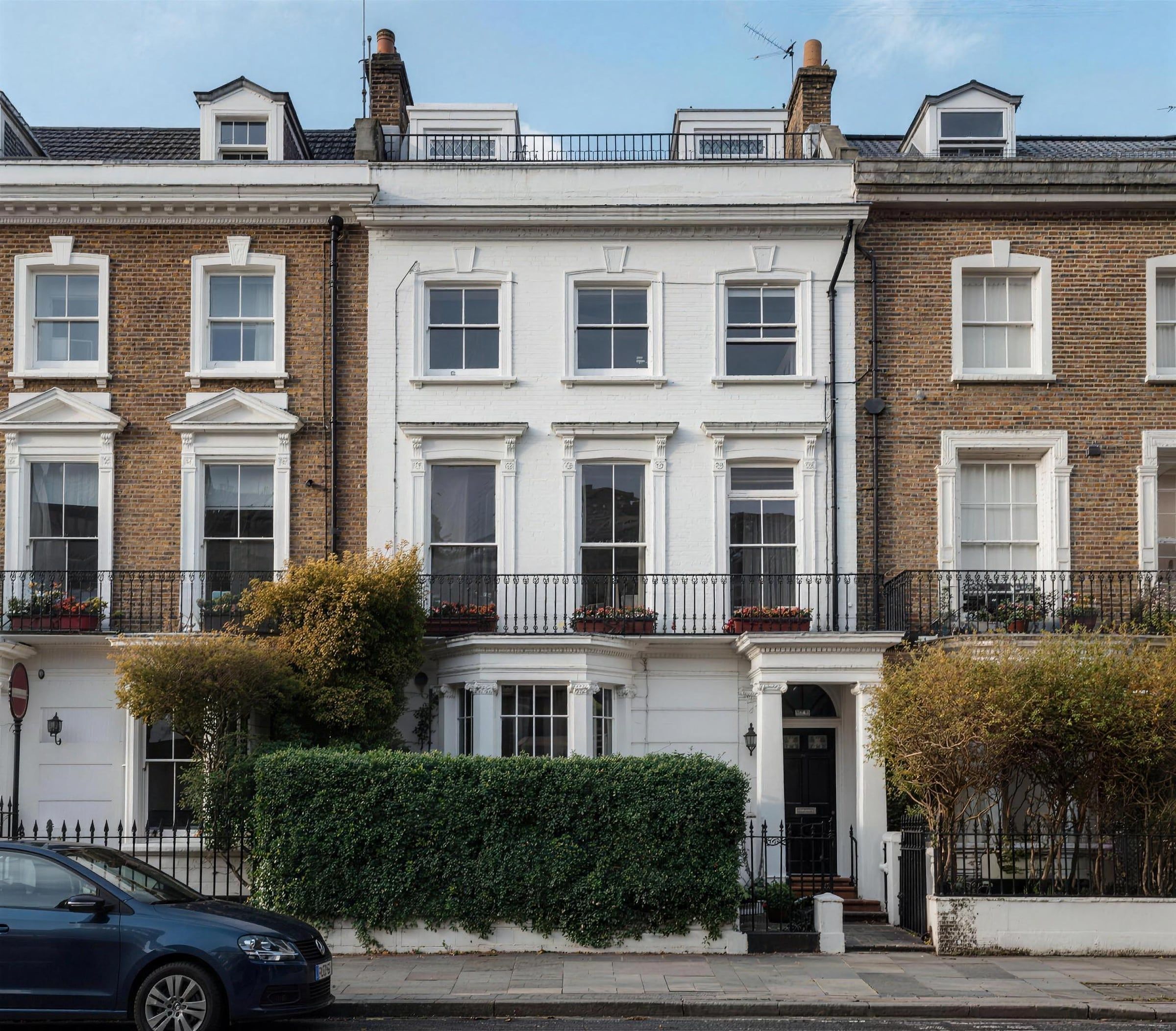
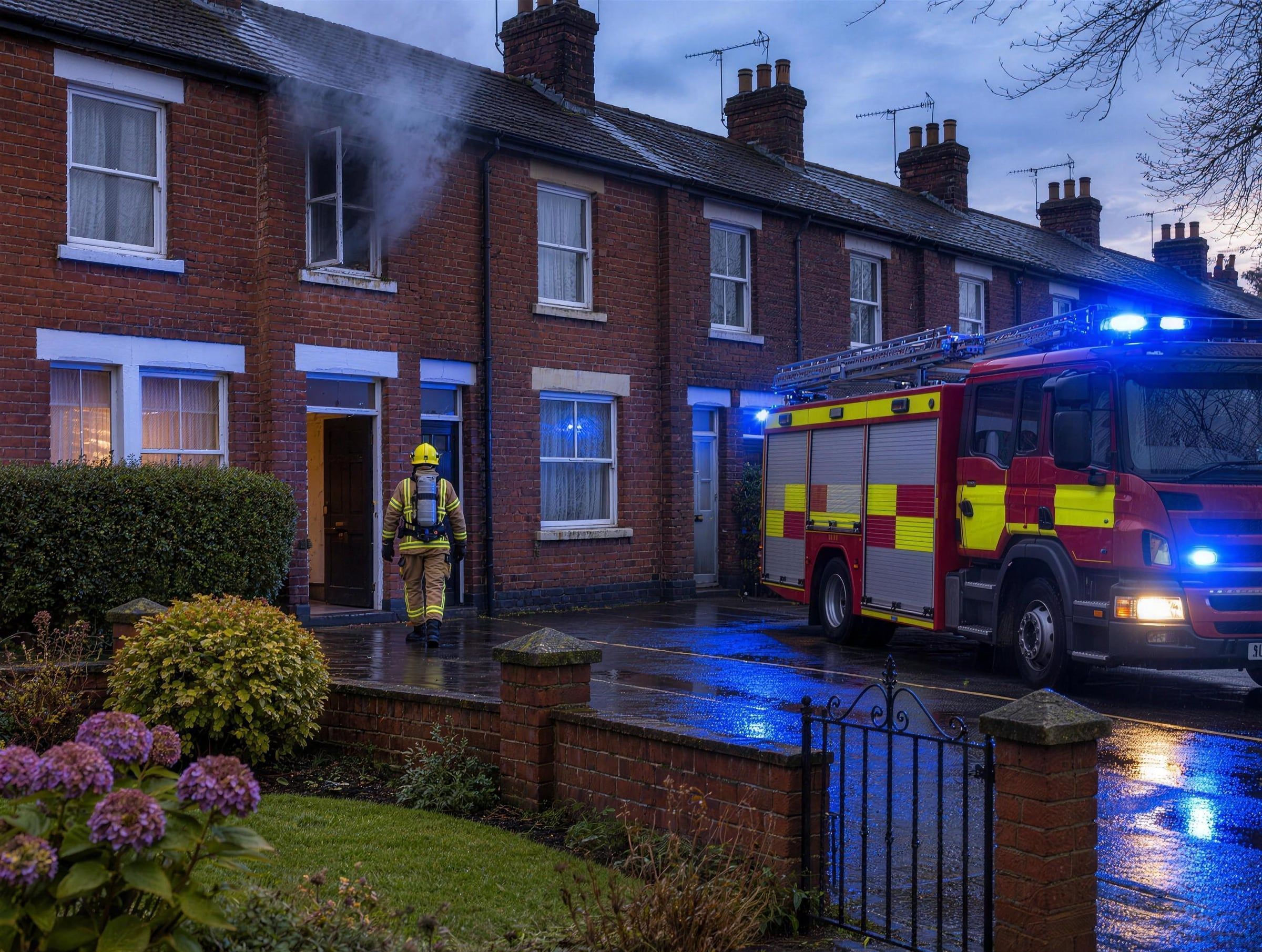
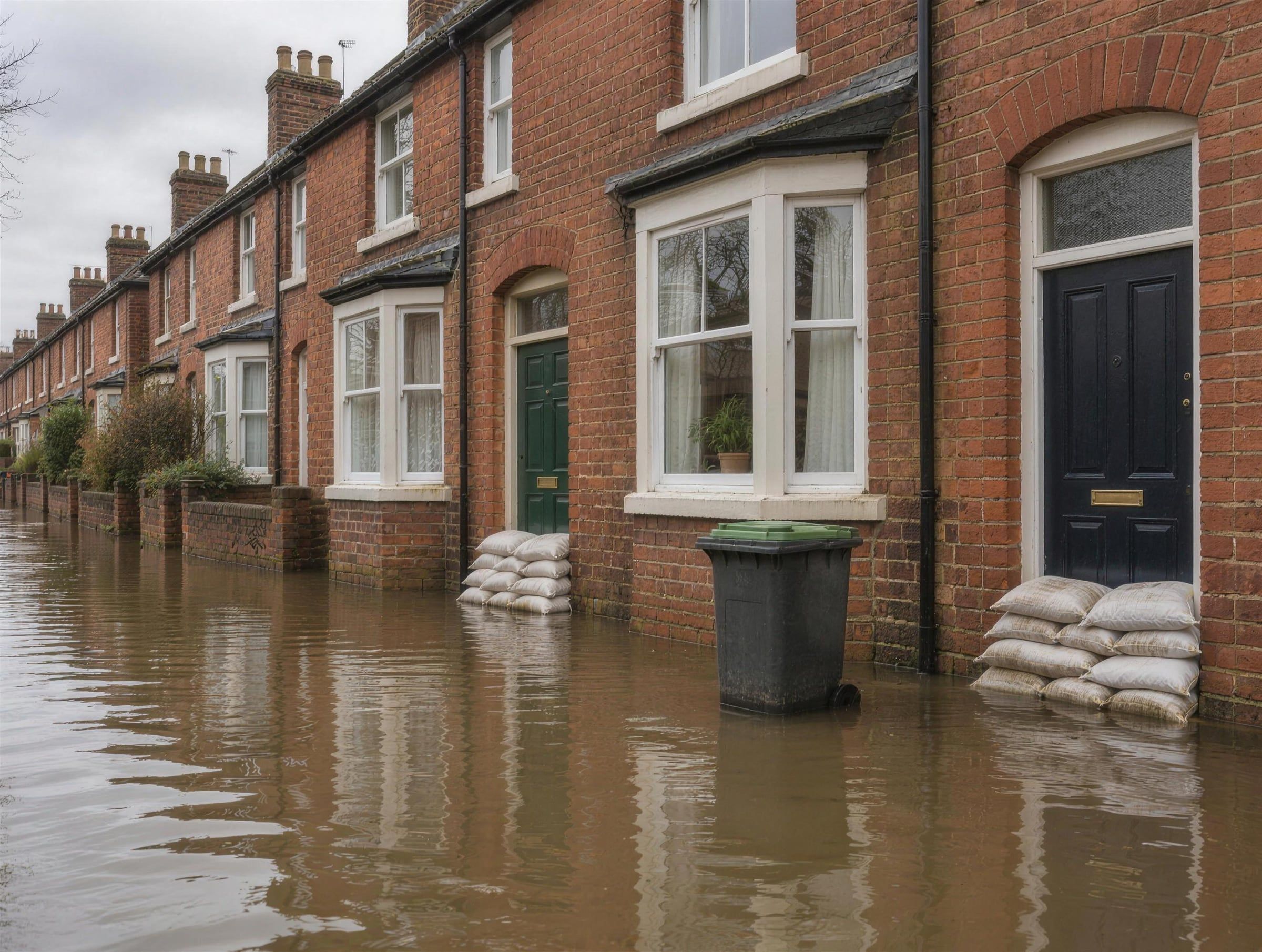
Alternative accommodation is a temporary home for a household whose own home cannot be lived in after an insured event such as a fire, flood, escape of water or subsidence. It is often called “AA” in claims teams.
Many UK home insurance policies include it, usually up to a limit set out in the policy wording. The aim is simple: keep the household in a similar standard of living, as close to normal life as possible, while the home is made safe and repaired.
When a household needs it
A household usually needs alternative accommodation when the home is unsafe, or when it no longer has the basics of daily life. Common triggers include:
- Structural damage or safety concerns after a fire or subsidence
- No safe electricity, water or heating
- No usable kitchen or bathroom
- Drying equipment or strip-out works that make the home unliveable
- Repairs that need the property to be empty
The insurer or loss adjuster makes the decision, based on the damage and the policy terms.
The three stages of a placement
1. The first nights
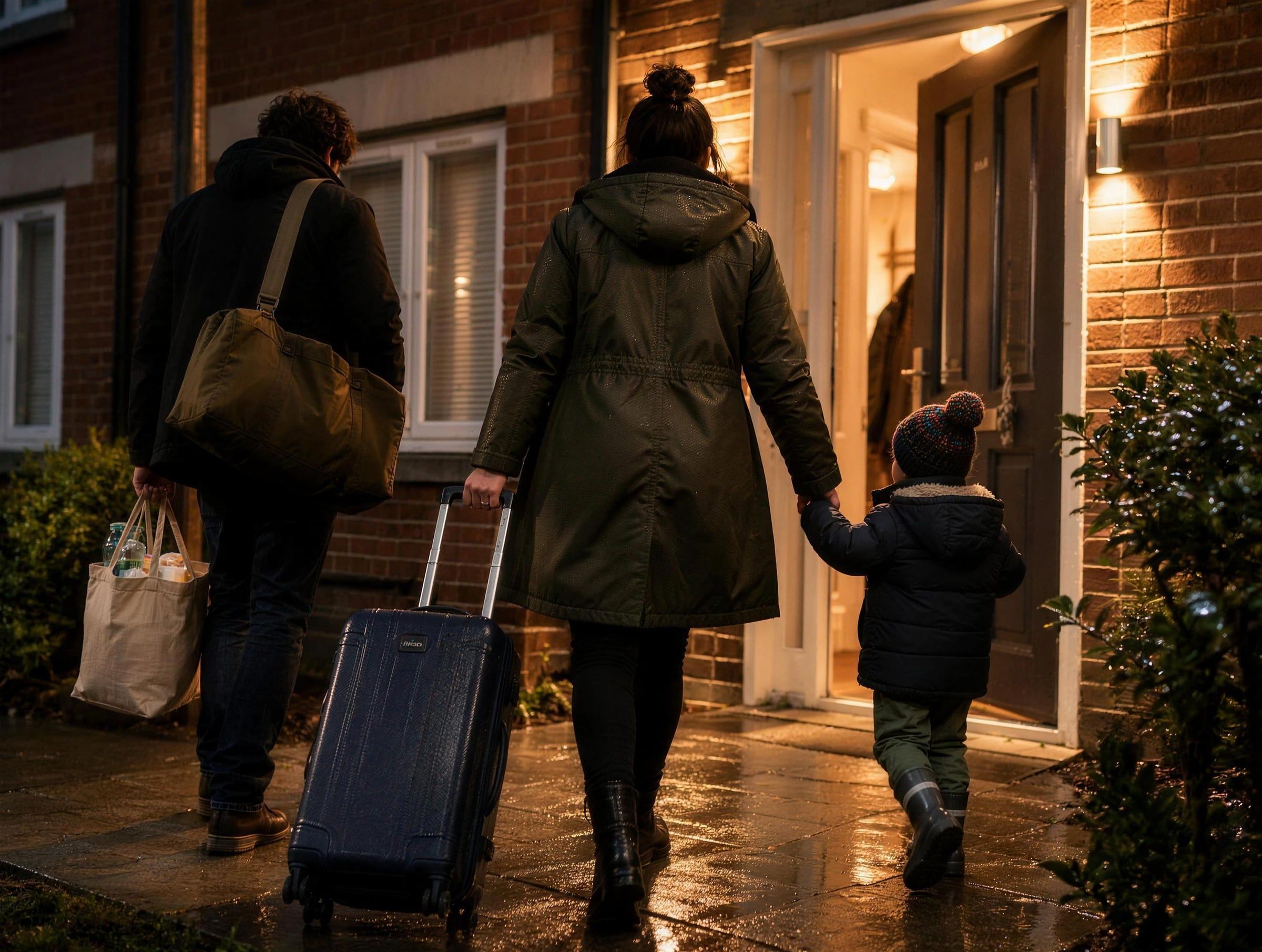
When a household is displaced suddenly, the priority is a safe bed that night. That may be a hotel or a short-let property, whatever is available quickly and suitable for the family.
2. The settled stay
Once the scale of the damage is clear, most households need somewhere they can actually live: a self-contained home with a kitchen, laundry and enough space. Moving from a hotel into a furnished home early usually improves the customer experience and often reduces cost over a longer claim.
3. The move home
As repairs near completion, the end date needs managing. Extensions are common when works overrun, and an early, clear handover avoids last-minute stress.
What good accommodation looks like
A suitable placement matches the household, not just the postcode. Before booking, check:
| Consideration | Why it matters |
|---|---|
| Location | Children stay in the same school; adults stay near work and support |
| Size | Enough bedrooms for the household to live normally |
| Facilities | A kitchen, laundry and somewhere to work or study |
| Access | Ground-floor living, parking or adaptations where needed |
| Pets | Pet-friendly properties, so animals do not need kennelling |
| Duration | A property that can be extended if the repairs overrun |
Keeping costs under control
The biggest cost driver is usually time in the wrong type of accommodation. Hotels are fast to book but expensive for families over weeks or months. Furnished homes take more effort to source, but tend to be better value for longer stays.
Agreeing a rate or budget at the start, and reviewing it as the repair programme becomes clearer, keeps the claim within policy limits and avoids surprises.
Working with an accommodation partner
An accommodation partner takes the search, booking and ongoing management off the claims team. With Residia you send one brief, we return suitable options within the agreed budget, and we manage the stay through to the move home, with one point of contact and one invoice.